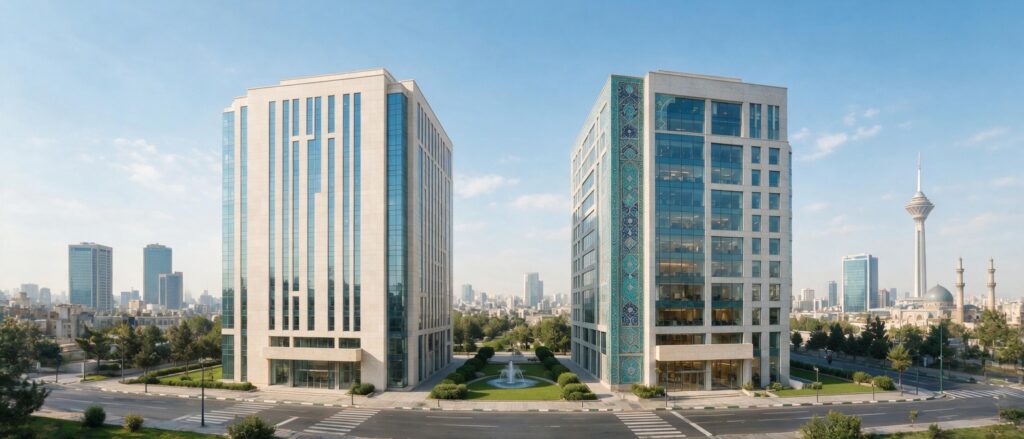
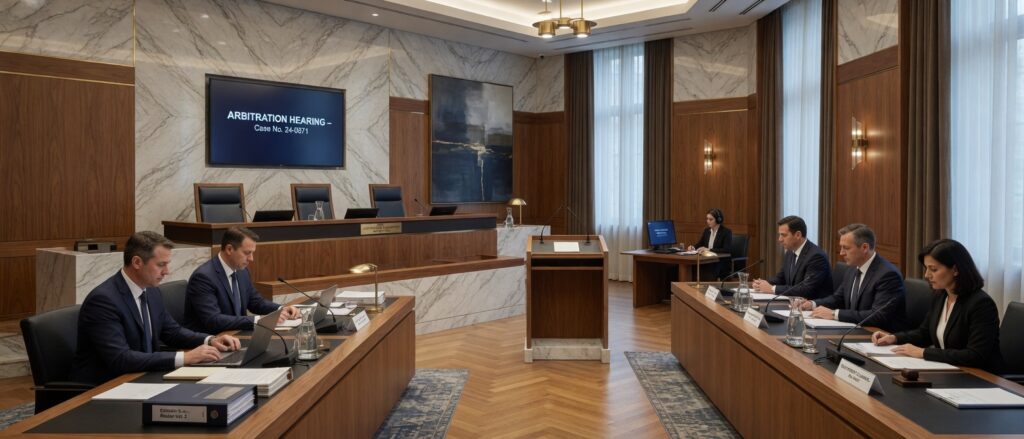
Iran’s oil and gas sector remains one of the most important areas for foreign investment. However, the legal framework governing energy contracts in Iran is complex and requires a deep understanding of both contractual structures and regulatory requirements.
Iran’s Energy Sector and Foreign Participation
Iran holds some of the world’s largest oil and gas reserves. Foreign participation in this sector is allowed under specific contractual models, primarily through buyback contracts and, in some cases, other forms of cooperation.
Types of Oil and Gas Contracts in Iran
The most common type of contract used in Iran’s upstream sector is the buyback contract. In this model, the foreign contractor recovers its costs and receives remuneration from the produced hydrocarbons.
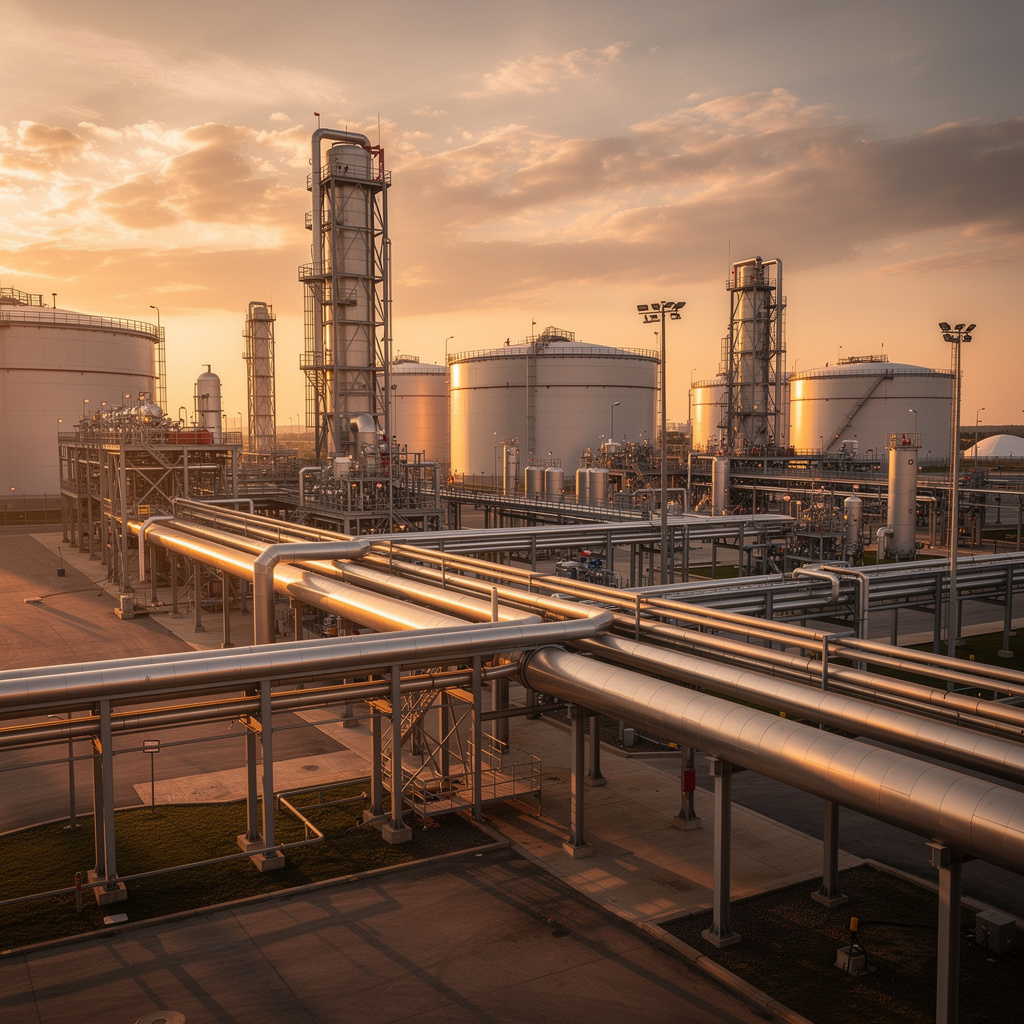
Regulatory Bodies and Approvals
All oil and gas projects require approvals from the Ministry of Petroleum and, in many cases, the National Iranian Oil Company (NIOC). Compliance with environmental and safety regulations is also mandatory.

Key Contractual Clauses for Foreign Investors
Important clauses in oil and gas contracts include risk allocation, cost recovery mechanisms, dispute resolution, and provisions related to the repatriation of funds.
Current Challenges and Opportunities
While international sanctions have created challenges for foreign investors, recent developments and potential agreements may open new opportunities in Iran’s energy sector.
Conclusion
Engaging in Iran’s oil and gas sector requires careful legal structuring and a thorough understanding of the contractual framework. Our team can assist you in navigating these complex agreements.