+98(0)21 88954849
info@milanilawfirm.com

 Oil and Gas Contracts in Iran: Legal Framework for Foreign Investors

This article examines the legal structure of oil and gas contracts in Iran, focusing on buyback agreements, regulatory approvals, and important considerations for foreign investors.
  1. Home page
  2. /
  3. Blog
  4. /
  5. Legal Updates
  6. /
  7.  Oil and Gas Contracts...

 Oil and Gas Contracts in Iran: Legal Framework for Foreign Investors

Iran’s oil and gas sector remains one of the most important areas for foreign investment. However, the legal framework governing energy contracts in Iran is complex and requires a deep understanding of both contractual structures and regulatory requirements.

Iran’s Energy Sector and Foreign Participation

Iran holds some of the world’s largest oil and gas reserves. Foreign participation in this sector is allowed under specific contractual models, primarily through buyback contracts and, in some cases, other forms of cooperation.

Types of Oil and Gas Contracts in Iran

The most common type of contract used in Iran’s upstream sector is the buyback contract. In this model, the foreign contractor recovers its costs and receives remuneration from the produced hydrocarbons.
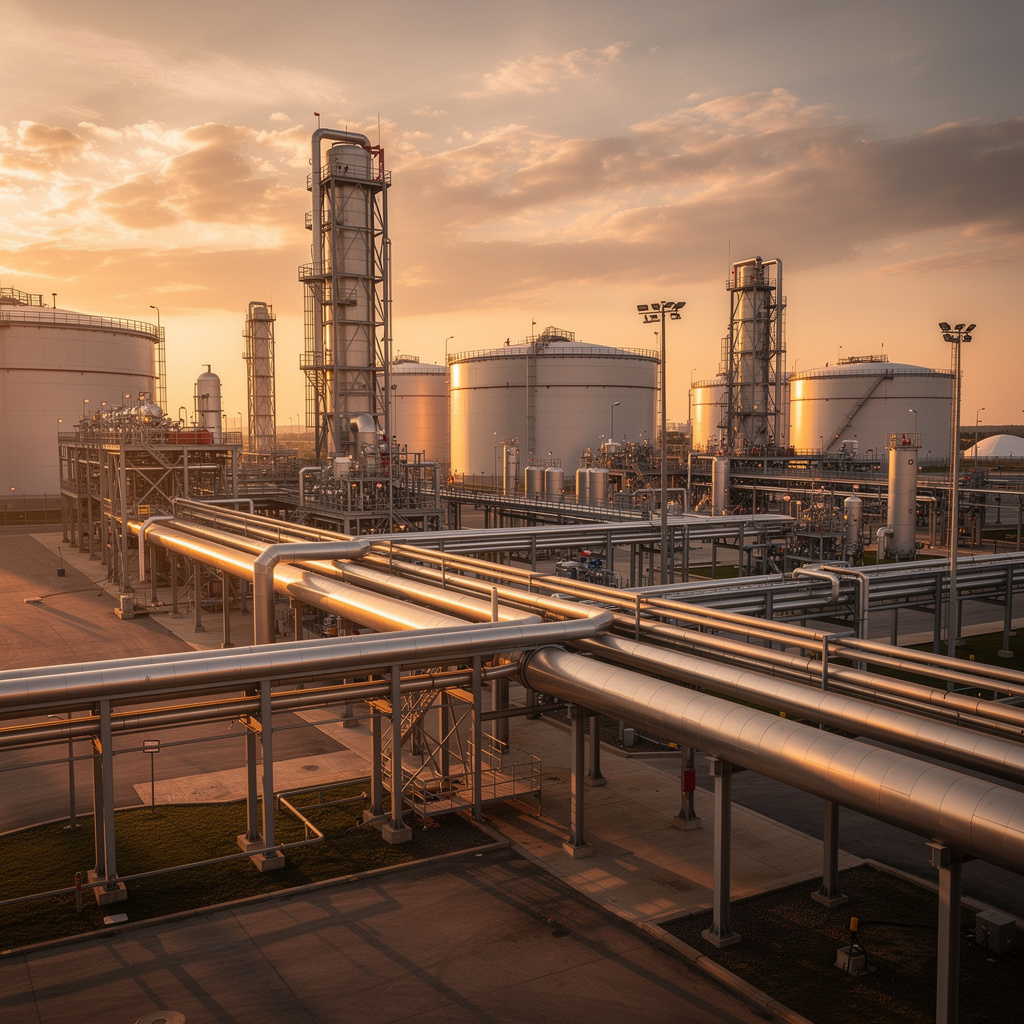
Oil and gas facility at sunset representing energy sector contracts in Iran

Regulatory Bodies and Approvals

All oil and gas projects require approvals from the Ministry of Petroleum and, in many cases, the National Iranian Oil Company (NIOC). Compliance with environmental and safety regulations is also mandatory.

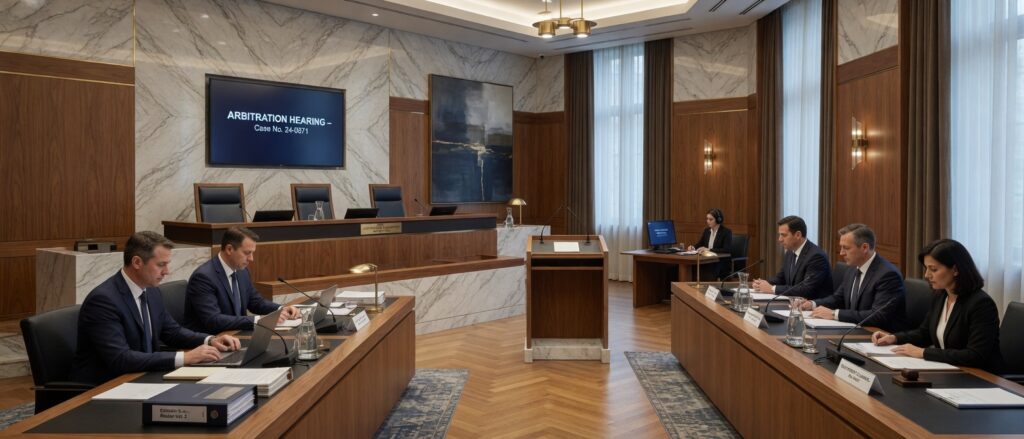
Professional meeting between Iranian and international business representatives in a conference room

Key Contractual Clauses for Foreign Investors

Important clauses in oil and gas contracts include risk allocation, cost recovery mechanisms, dispute resolution, and provisions related to the repatriation of funds.

Current Challenges and Opportunities

While international sanctions have created challenges for foreign investors, recent developments and potential agreements may open new opportunities in Iran’s energy sector.

Conclusion

Engaging in Iran’s oil and gas sector requires careful legal structuring and a thorough understanding of the contractual framework. Our team can assist you in navigating these complex agreements.

Leave a Reply

Your email address will not be published. Required fields are marked *

Subscribe to the company newsletter

Lorem Ipsum is a fabricated text with an unintelligible simplicity produced by the printing industry and used by graphic designers.

Related Articles

This guide explains the complete process of registering a company in Iran for foreign investors, including company types, required documents, timelines, and key legal considerations.
This article compares branch offices and subsidiaries in Iran, helping foreign companies choose the most suitable structure based on liability, taxation, and long-term business goals.
A practical guide on how to enforce foreign arbitral awards in Iran, covering legal requirements, competent courts, necessary documents, and common challenges in the enforcement process.
This guide covers the essential legal points when drafting cross-border commercial contracts involving Iranian parties, including governing law, dispute resolution, and compliance requirements.

To request collaboration, or to share your suggestions and feedback, please contact us through the communication channels below.

Lorem Ipsum is a placeholder text commonly used in the graphic, print, and publishing industries for previewing layouts and visual mockups. It has been the industry’s standard dummy text ever since, used by designers to simulate real content in layouts, newspapers, and magazines to demonstrate visual form without relying on meaningful content.

0211234567# 0912345678#

Sale@yoursite.com info@yoursite.com

Three central offices
In Tehran Province